Take action. Start where you are.
Join the list, use the self-guidance, speak in the public process, or hand a neighbor a flyer. Each one counts.
Join the list
You will get meeting notices, verified project information, SCC deadlines and ways to take part. We write when there is something worth reading.
Volunteer roles may include public-source research, website and resource-guide support, presentations, outreach, or keeping neighbors informed.
Donations are not open yet. If and when that changes, the details will be posted here.
Create your own record
A well-organized personal record can help you track the information that matters to you and prepare questions for the project, public agencies, or your own advisor. We can share general guidance, but you control your own records and decide what to share.
Keep a dated copy of the map and notice you received, photographs, existing records, the source and date of each item, and questions you want answered.
Start with the basics
- Keep a dated recordMap or notice, photographs, existing records, the source and date of each item, and questions you want answered.
- Protect sensitive informationDo not post sensitive cultural, historic, burial, or wildlife locations publicly.
- Use the appropriate resourceFor a potential historic resource, environmental concern, or technical question, consider the relevant public agency, qualified professional, or counsel.
A personal record is not proof by itself, but it documents what matters to you and can help you prepare questions or participate in a future review, if you choose.
Document safely and respectfully
- Take pictures from a safe and lawful location.
- Ask permission before entering private property.
- Leave graves, artifacts and wildlife undisturbed. Do not dig or excavate.
- Photograph wildlife from a distance. Do not disturb nests or roosts.
- Do not post sensitive locations publicly. If you share such information with an agency, counsel, or another reviewer, ask how it will be used and whether it could become public.
Examples of what may be useful to document include protected-species sightings (such as bats, birds, butterflies, or freshwater mussels); old roadbeds and the historic features connected with them; mills and crossings; canal locks and towpaths; family cemeteries and unmarked burial sites; springs and wetlands; community gathering places; and historically underserved or disadvantaged communities. These examples may help you identify what to document for your own records or, where appropriate, your community. An example alone does not establish that a resource is present near a potential route. The relevant agency, qualified professional, or decision-maker determines how a record or observation applies to a particular review.
Join the listTake part in the SCC case
Residents can take part directly in the review. The SCC's case-specific order will control deadlines, format and participation requirements, so check each one when it is issued.
- Public commentsSubmit written comments under the case-specific order.
- Public witnessSpeak at a hearing if the SCC schedules one.
- Formal partySeek respondent status, and accept filing, service and evidence duties.
- Agency inputGive relevant information within an agency's jurisdiction.
Comments for open Virginia cases are accepted for a limited time. Monitor the SCC’s docket at https://www.scc.virginia.gov/docketsearch, and sign up with us to receive updates on case deadlines. Individual residents may also contact elected officials, speak at public meetings and take part in other organizations in their own right.
Flyer and yard sign
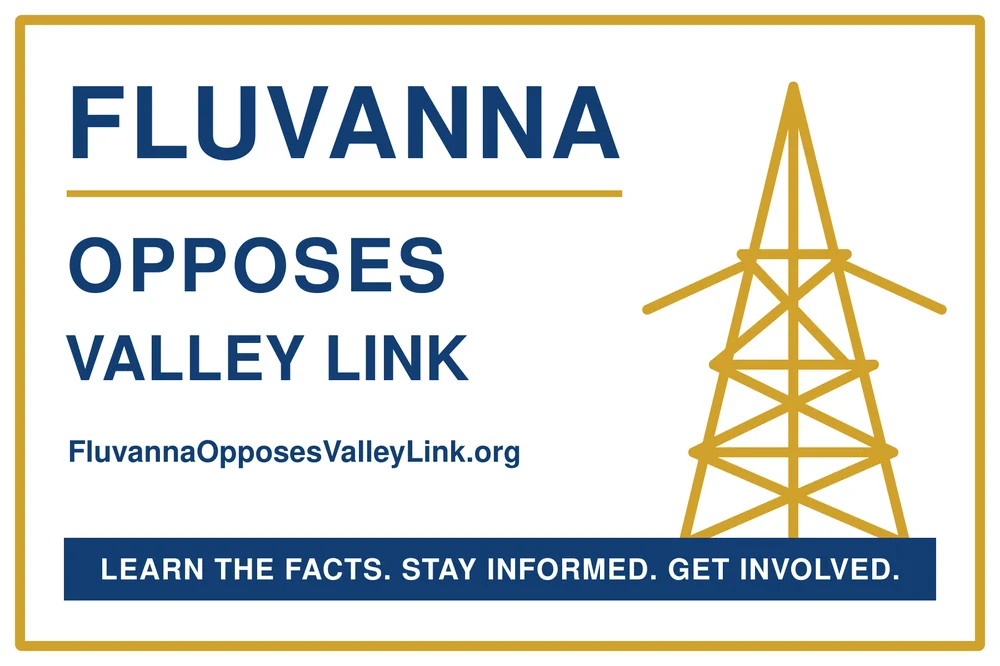
Give a neighbor something to hold. Each one carries the web address and QR code.
Print the flyer for a church bulletin board, feed store, library or farm stand. Ask permission before posting. Want yard signs or a speaker for your group? Say so on the form above.