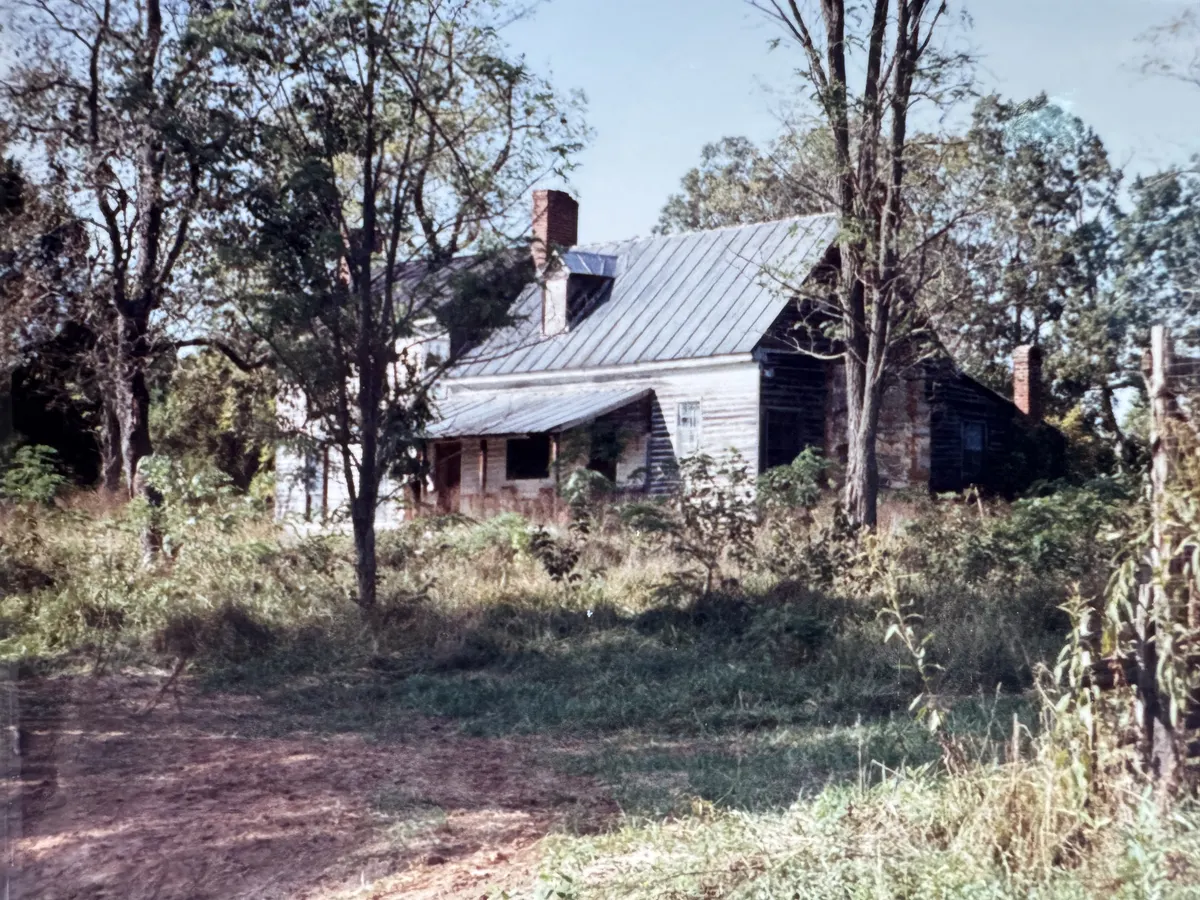
A map shows lines and parcels. It does not show the family cemetery behind the tree line, the spring a farm has depended on for a century, or the old roadbed that leads to a vanished mill.
Local knowledge can help you decide what to document for yourself and which questions to ask.
What might a map miss?
- A place of worship or a gathering place
- An overlooked homesite
- A natural spring
- An unmarked cemetery or sunken grave
- An old roadbed that points to a mill, store or crossing
- A canal feature from the Rivanna Navigation era
- Open land, farm access and the way equipment and hay move
- Wetlands, river habitat and wildlife
Rivers carried more than water
The Rivanna's navigation history runs deep. In 1763, Thomas Jefferson organized early improvements. In 1806, the Rivanna Navigation Company was chartered. Canals, locks and towpaths expanded in the 1840s and 1850s, and a Columbia-to-Carysbrook section stayed in use until 1908. Locks, aqueducts and towpaths from that story still mark the landscape.
Wildlife worth noting
State and federal agencies track a number of species that could occur in river and woodland habitat, including bats, the loggerhead shrike, bald eagle, monarch butterfly and several freshwater mussels. An example does not prove presence near a route. A qualified reviewer decides what a sighting means.
Create your own record
- Start with the basics. Keep a dated copy of the map or notice, photographs taken lawfully, existing records, the source and date of each item, and questions you want answered.
- Protect sensitive information. Do not post sensitive cultural, historic, burial, or wildlife locations publicly.
- Use the appropriate resource. For a potential historic resource, environmental concern, or technical question, consider the relevant public agency, qualified professional, or counsel.
Document safely and respectfully
- Take pictures from a safe and lawful location.
- Ask permission before entering private property.
- Leave graves, artifacts and wildlife undisturbed. Do not dig.
- Photograph from a distance. Do not disturb nests or roosts.
- If you share sensitive information with an agency, counsel, or another reviewer, ask how it will be used and whether it could become public.
A useful lead never requires trespassing or disturbing the resource.
Read the self-guidance to create your own record, or join the list to hear how others are helping.